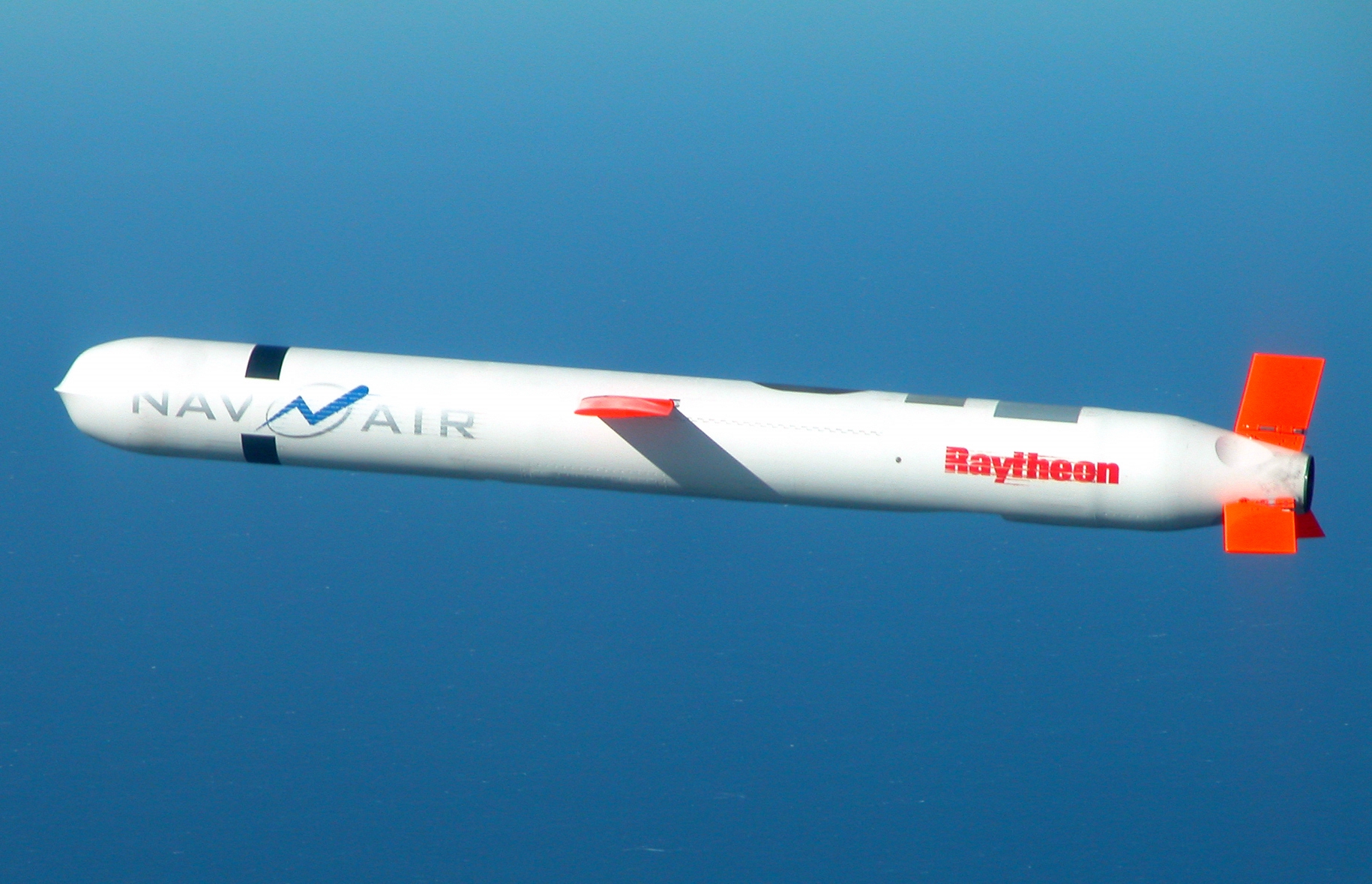
President Donald Trump is once again making headlines this time over his remarks about possibly sending U.S.-made Tomahawk missiles to Ukraine. His statement, made shortly after brokering a peace deal to end the Gaza war, has sparked fresh tension between Washington and Moscow.
Speaking at the White House, Trump hinted that the U.S. might let Ukraine buy Tomahawk missiles powerful, long-range weapons capable of striking deep inside Russian territory. “President Zelensky would like to have Tomahawks,” Trump said with a grin. “We have a lot of Tomahawks.”
The comment sounded like music to Ukrainian President Volodymyr Zelensky, who’s scheduled to visit Washington later this week. But in Moscow, it set off alarm bells. Russian President Vladimir Putin has warned that such a move would mark a “new stage of escalation,” bringing the U.S. and Russia closer to direct confrontation.
Trump’s statement reflects a growing frustration with Putin, who has ignored diplomatic efforts and refused to make concessions despite Trump’s public attempts at peace. Officials at the Pentagon have already drafted plans to transfer or sell the missiles if the president gives the green light. However, there’s a catch Ukraine currently doesn’t have the necessary launch systems to fire them. The only way to use Tomahawks would be through U.S. Army Typhon launchers, which would make Washington even more directly involved in the war.
Adding to the tension, Kremlin spokesman Dmitry Peskov said Moscow views the idea of Tomahawk missiles in Ukraine with “extreme concern.” He warned that the situation was becoming more dangerous as tensions grow on all sides.
Despite the warnings, Trump appears to believe that just threatening to send the missiles could pressure Putin into peace talks. “If this war doesn’t get settled, I may send Tomahawks,” he told reporters. “It’s an incredible weapon and Russia doesn’t need that.”
Trump’s confidence stems from his recent diplomatic win in the Middle East. In the Gaza conflict, he allowed Israel’s military to crush Hamas, which eventually forced the group to agree to a peace deal. Now, Trump seems to think a similar “tough pressure” strategy could push Russia toward compromise.
Meanwhile, NATO countries are stepping up support for Ukraine under a new financing plan. Several European allies- including Denmark, Norway, Sweden, the Netherlands, Germany, and Canada have pooled nearly $2 billion to buy U.S. weapons and ammunition for Kyiv. NATO officials say this coordinated effort is crucial to keeping Ukraine’s defenses strong.
Still, the potential sale of Tomahawk missiles marks a sharp shift from the approach under President Biden. The Biden administration had been cautious, fearing that supplying long-range weapons might drag NATO into direct conflict with Russia. Tomahawks, which can hit targets more than 1,000 miles away, would dramatically expand Ukraine’s reach far beyond the shorter-range systems previously approved.
At a recent gathering in Sochi, Putin warned that any delivery of Tomahawks to Ukraine would be seen as a dangerous escalation. But analysts say Trump’s unpredictability could make Putin nervous. Liana Fix, a Europe expert at the Council on Foreign Relations, noted that much depends on whether Putin can convince Trump that such a move risks “nuclear war.”
At the same time, European allies and Ukraine are quietly encouraging the U.S. to show more strength, hoping to convince Moscow it’s not winning. “It’s a coordinated effort,” Fix said. “Europe and Ukraine want to send a clear message that Western support isn’t fading.”
Trump, who once called Putin “a friend,” now sounds more impatient. “He’s got to settle this war,” Trump said. “Russia’s economy is hurting there are gas lines, and it’s making him look bad. I’d like to see him do well, but this war has to end.”
For now, it’s unclear whether Trump will actually move forward with the Tomahawk plan or use it as a bargaining chip. But one thing is certain – his comments have reignited global debate about how far the U.S. is willing to go to help Ukraine and how close the world might be to a much bigger confrontation.