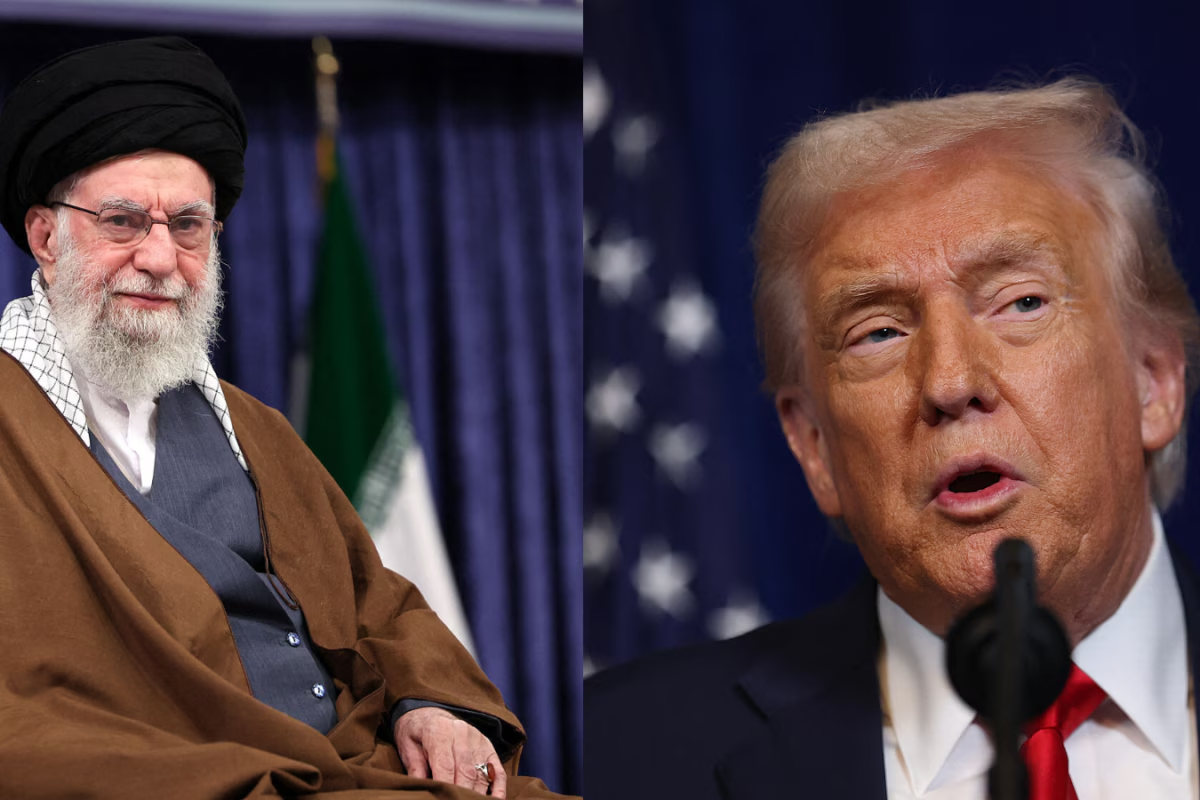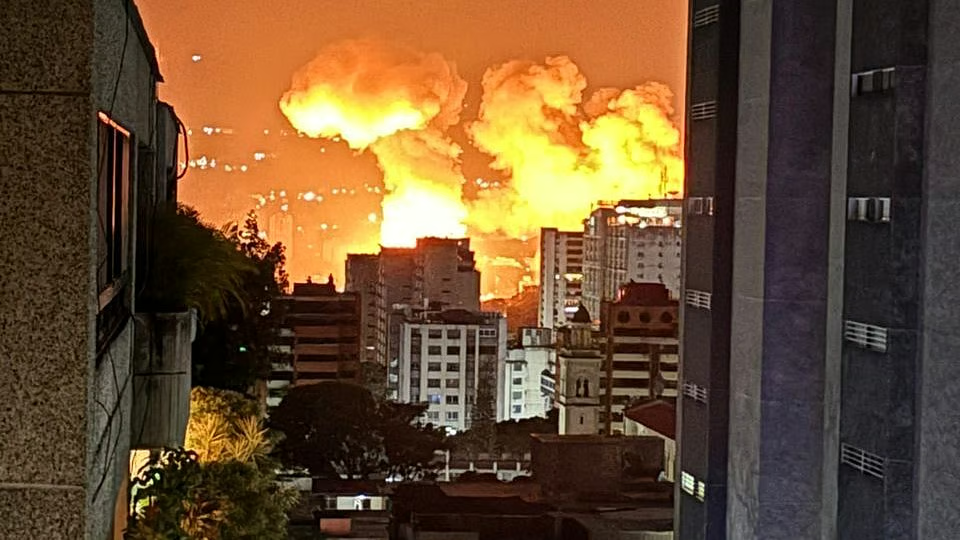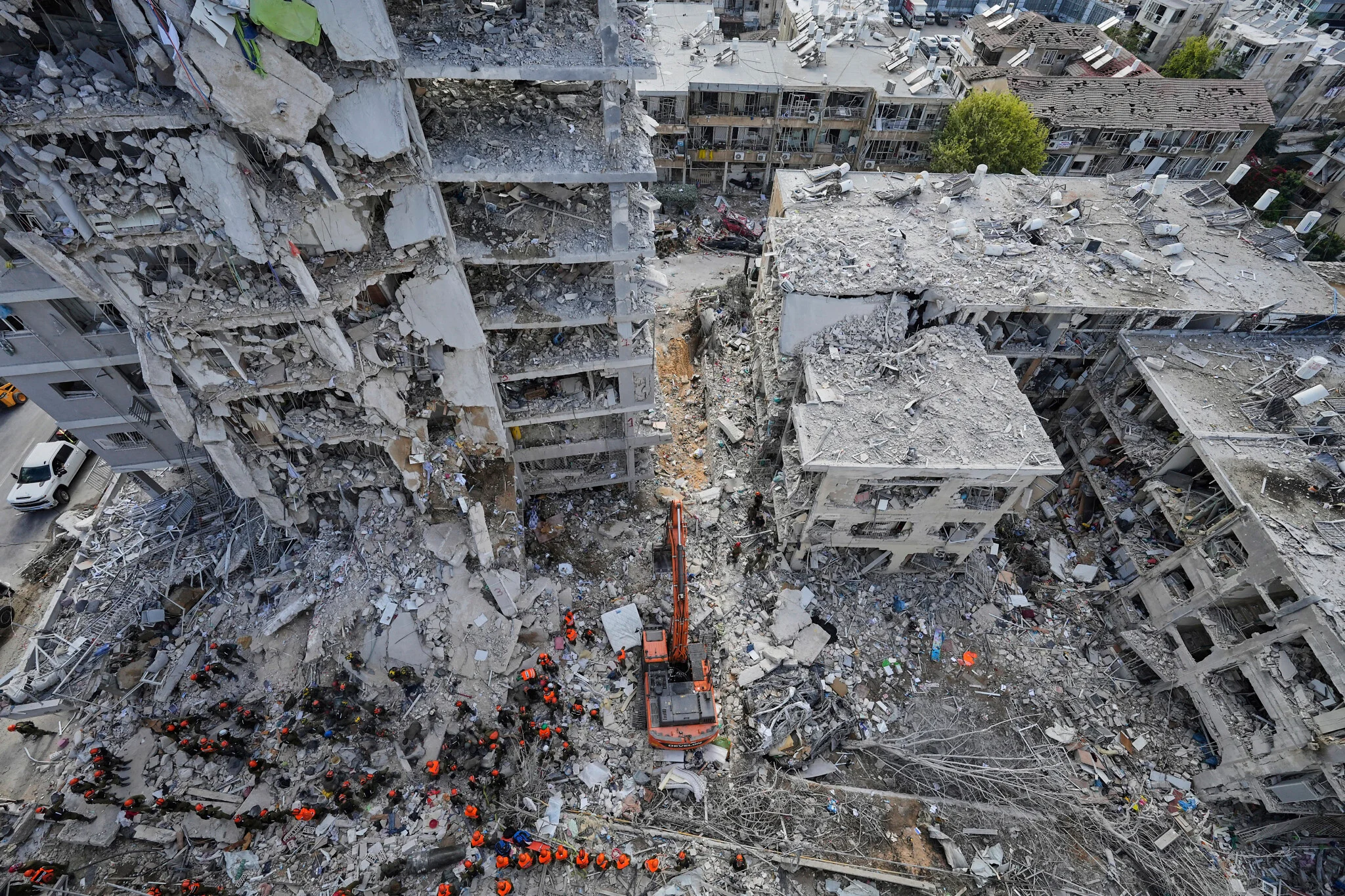
On February 28, the United States and Israel attacked Iran after weeks of military buildup and threats from President Trump. Large-scale strikes targeted Iranian military assets and the Islamic Republic’s top leadership, killing Supreme Leader Ayatollah Ali Khamenei. Tehran’s Assembly of Experts appointed Ali Khamenei’s son, Mojtaba Khamenei, to succeed him. Iran has retaliated by targeting U.S. military facilities, as well as energy and civilian infrastructure in the Gulf states. Israel has also stepped up its air strikes in Lebanon after Hezbollah fired rockets into Israel in support of Iran. More than 1,800 people have been killed so far, including 8 U.S. service members and at least 175 students who were killed by a reported U.S. strike on an Iranian elementary school. Trump has issued conflicting statements on U.S. military objectives and the trajectory of the conflict.
The attack quickly escalated into a full-scale war, triggering widespread disruptions across global markets. Oil prices surged sharply, shipping operations faced major delays, and transportation costs increased significantly. Key trade routes were altered, affecting the smooth flow of goods worldwide. In India, the situation also led to LPG shortages, adding pressure on households and industries. Overall, the conflict has created a ripple effect, impacting energy supply chains, logistics, and economic stability on a global scale.
How the Iran–Israel Conflict is Affecting the Global Economy and India?
The ongoing conflict between Iran and Israel has become one of the most significant geopolitical crises in 2026. Its impact is not limited to the Middle East , it is affecting the global economy, oil prices, trade routes, and financial markets worldwide.
For a country like India, which depends heavily on energy imports and global trade, the consequences are even more serious. This article explains how the conflict is reshaping the global economy and what it means specifically for India.
1. Rising Oil Prices and Energy Crisis
One of the biggest impacts of the conflict is the sharp rise in global oil prices.
- Oil prices have surged significantly due to supply disruptions.
- .Crude oil prices have jumped nearly 93% since the conflict began.
- Global crude prices have crossed $100 per barrel in some cases.
- India imports over 80% of its oil needs, making it highly vulnerable.
Result: Higher petrol, diesel, and LPG prices for consumers.
2. Disruption of Global Trade Routes
The Middle East is a key hub for global trade. The conflict has created serious risks:
- Shipping delays due to security concerns.
- Increased insurance and transport costs.
- Blockages or restrictions in major sea routes.
- Several fuel shipments are already delayed, impacting supply chains.
Result: Slower imports, higher costs, and supply shortages.
3. Rising Cost of Living
As fuel prices rise, the cost of almost everything increases.
- Transportation becomes expensive.
- Food and essential goods prices rise.
- Manufacturing costs increase.
- Higher oil prices directly increase inflation
- Everyday expenses like cooking gas and travel are affected
Result: Reduced purchasing power for common people.
Conclusion
The Iran-Israel conflict is proving to be a major disruptor of the global economy. From rising oil prices to trade disruptions and inflation, its effects are being felt worldwide.
For India, the situation is particularly critical due to its heavy dependence on imported energy and key trade routes like the Strait of Hormuz. Rising crude oil prices-reportedly surging sharply in recent weeks-are increasing fuel costs, pushing inflation higher, and putting pressure on economic growth . At the same time, disruptions in fuel supply and shipping have already started affecting consumption and trade flows.
Overall, the situation shows how interconnected the modern world is-a conflict in one region can affect economies across the globe.