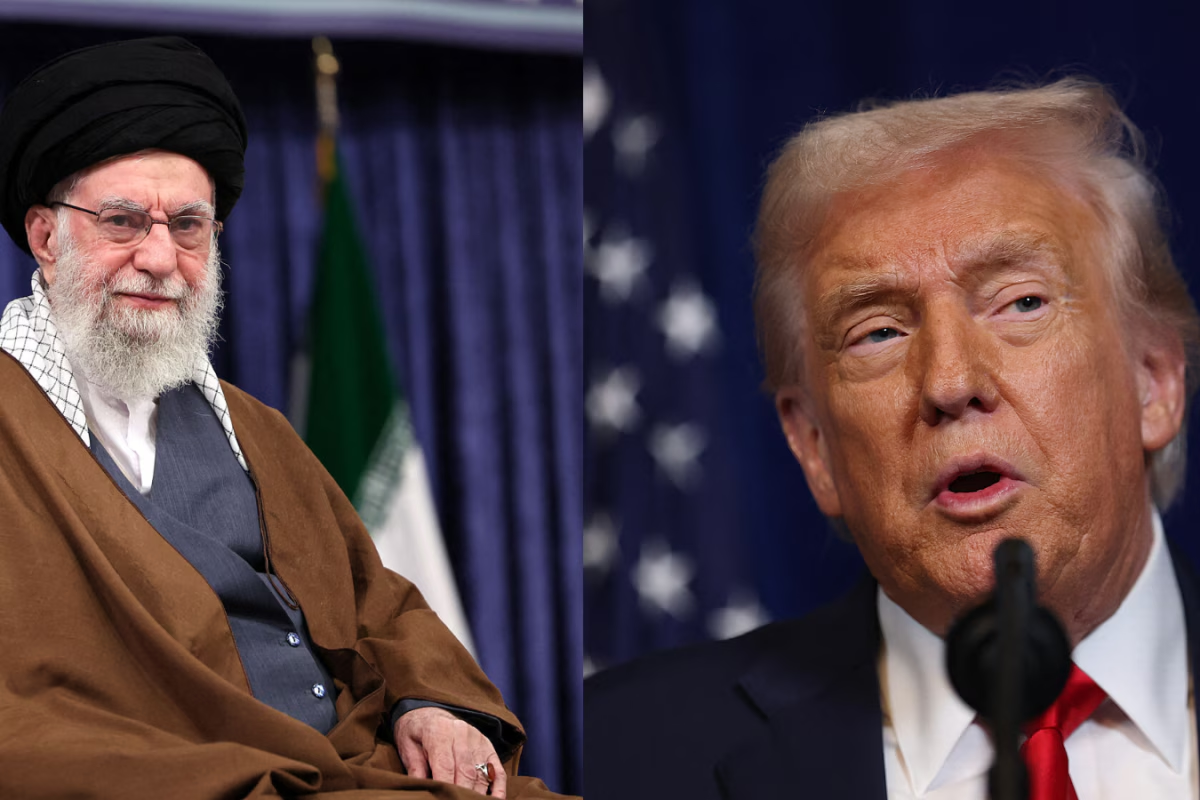
Tensions are rising fast between the United States and Iran as deadly anti-government protests continue across the country for a third straight week. U.S. President Donald Trump has warned that the American military is looking at “very strong options” against Iran, saying action could happen even before any talks take place.
Human rights group HRANA says nearly 500 protesters and 48 security officers have been killed so far. Some sources believe the real number may be much higher. More than 10,600 people have also been arrested since the protests began.
The unrest started in late December after Iran’s currency lost a lot of value, making everyday life harder for many people. What began as economic anger has now turned into a serious challenge to Iran’s leadership, especially Supreme Leader Ayatollah Ali Khamenei.
On Sunday, Trump claimed Iranian officials had reached out to him to negotiate. But he also said the U.S. might act before any meeting happens. A U.S. official confirmed that Trump has already been briefed on possible military strike plans. Other options being discussed include cyberattacks, stronger sanctions, and boosting online support for Iranian protesters.
Inside Iran, the situation remains tense. The government has called the protesters “vandals” and announced three days of mourning for people it says were killed in what it described as a “national battle” against the U.S. and Israel. Pro-government rallies were also planned to show support for the leadership.
Meanwhile, disturbing scenes have been reported from Tehran. BBC journalists counted around 180 body bags in footage from a morgue near the capital. One witness said the streets were “full of blood,” with bodies being taken away in trucks. Families were seen crying and searching for loved ones among the dead.
Sources say some bodies were buried quickly before sunrise, making it harder to identify victims. City workers were also sent out overnight to clean up burned cars, broken glass, and bloodstains from the streets.
People inside Iran say drones are flying over neighborhoods and protest areas to track demonstrators. The government has also shut down the internet, making it nearly impossible for people to communicate or share information.
“We can’t even send text messages,” one person in southern Iran said. “Only the government is sending threatening messages.”
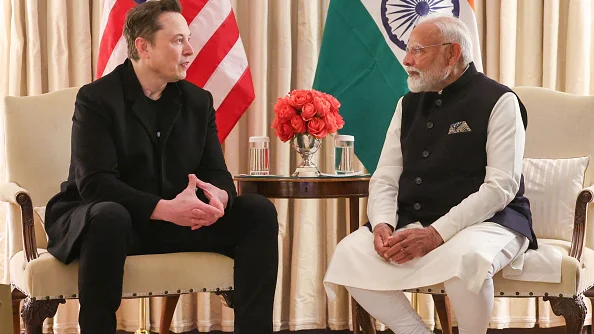
Some Iranians are using satellite connections like Starlink to stay connected, but many fear they could be traced. Trump said he plans to speak with Elon Musk, whose company runs Starlink, about restoring internet access in Iran.
These protests are the largest since 2022, when nationwide anger erupted after Mahsa Amini, a young Kurdish woman, died in police custody for allegedly not wearing her hijab properly.
Iran’s leaders have taken a hard stance. Khamenei accused protesters of trying to “please” Trump. The attorney general warned that demonstrators could be treated as “enemies of God,” a charge that can carry the death penalty.
Iran’s parliament speaker also warned the U.S. not to make a “miscalculation,” saying American and Israeli military sites in the region could become targets if Iran is attacked.
From exile, Reza Pahlavi, the son of Iran’s last shah, said the protests have shaken the government’s foundation. He added that the increased use of force shows fear, not strength, and that it could speed up the regime’s downfall.
As the crisis deepens, the world is watching closely to see what happens next both on Iran’s streets and on the global stage.