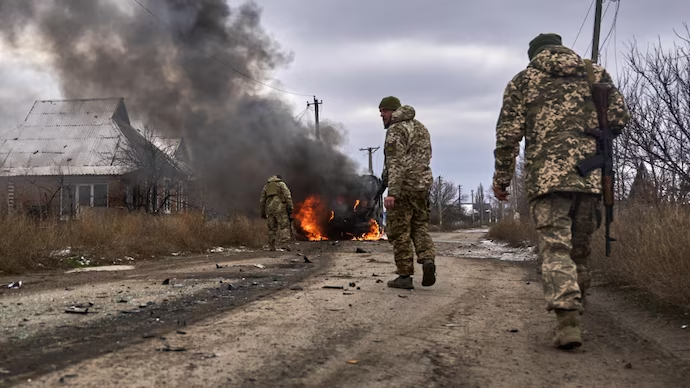
The United States has handed Ukraine a major proposal aimed at ending the war with Russia, and it’s already causing waves across Europe and inside Kyiv. The 28-point draft plan, given to Ukrainian President Volodymyr Zelenskyy this week, suggests big changes that many Ukrainians may find difficult to accept including possibly giving up the Donbas region and shrinking Ukraine’s military forces. In exchange, the U.S. promises long-term security protection.
The plan was put together without Ukraine at the table, which has only increased the fear and frustration among Ukrainian officials and European leaders. Zelenskyy hasn’t supported or rejected the proposal yet, but he’s expected to discuss it soon in a high-stakes call with U.S. President Donald Trump. Because Ukraine relies heavily on American aid, that conversation may shape the country’s future more than any other moment in recent months.
After meeting with a top U.S. military team in Kyiv, Zelenskyy said he was ready for “honest and fast” talks with Washington, while also insisting Ukraine still wants a “fair peace” that doesn’t abandon its sovereignty. European leaders, meanwhile, reacted with visible discomfort. France warned bluntly that peace must not equal surrender, and EU foreign policy chief Kaja Kallas pointed out that the plan seems to demand sacrifices from Ukraine without proving that Russia will offer anything in return.
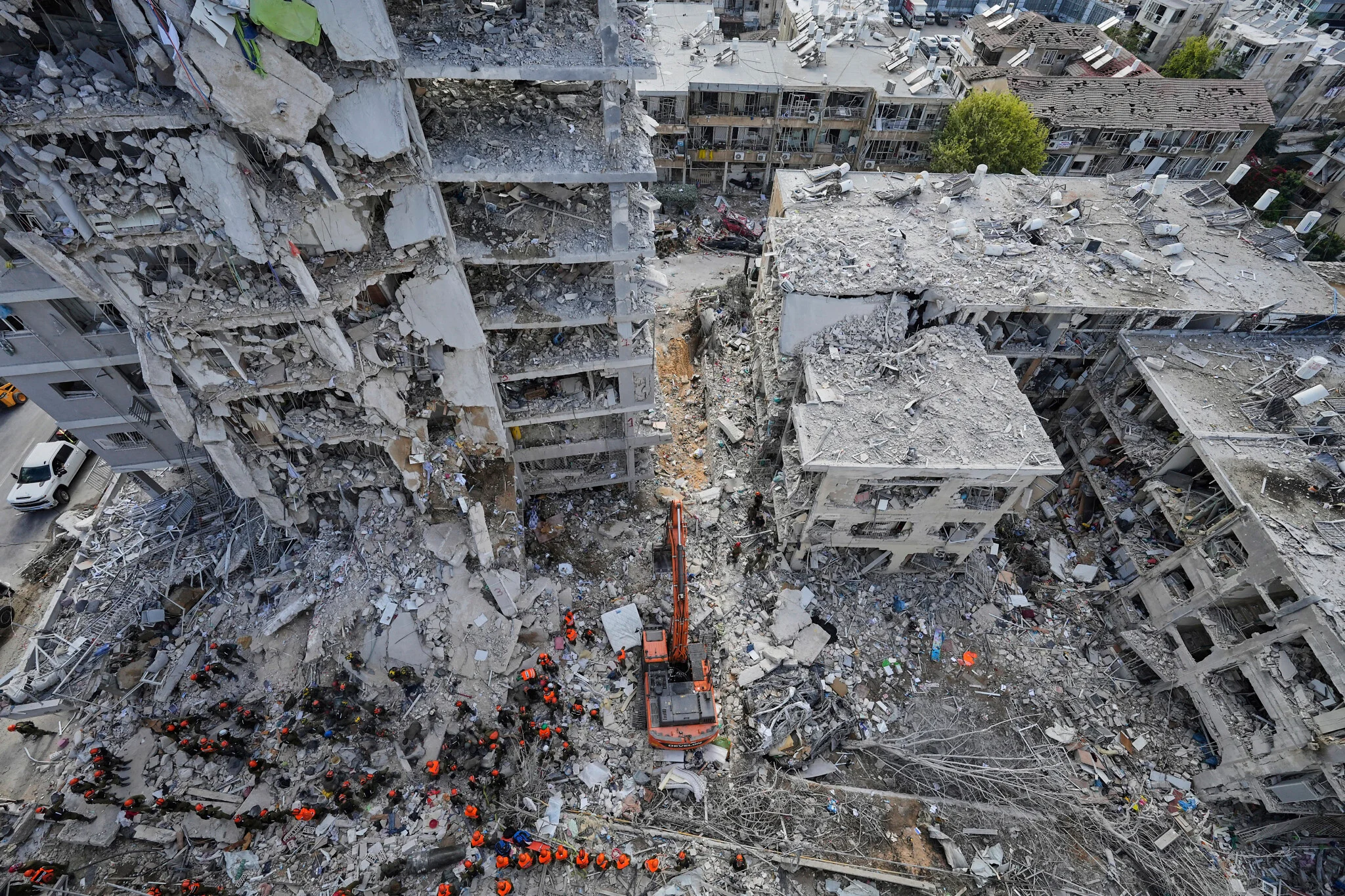
The timing of the proposal adds to the pressure. Russian troops are pushing toward the city of Pokrovsk, possibly preparing for their first major city breakthrough in nearly two years. On top of that, Russia’s relentless strikes are hitting infrastructure again, leaving residents without power as winter temperatures drop. And at home, Zelenskyy faces political turbulence after firing two ministers in a corruption scandal that sparked calls for deeper reforms.
In a surprise move, U.S. Army Secretary Daniel Driscoll arrived in Kyiv earlier than planned, saying Washington wants to speed up discussions. American officials also hinted he may open indirect channels with Moscow as the U.S. tries to pull both sides toward negotiations. Secretary of State Marco Rubio defended the proposal, saying that a lasting peace will require “realistic thinking” and “difficult compromises.”
Still, Ukrainian officials repeated a message they have said for months: giving up territory is not something the public will support.
As the debate heats up, the U.S. plan is already straining relations with Europe and raising serious questions about what peace should look like after nearly four years of war. One thing is clear there are no easy answers, and the path forward is more uncertain than ever.