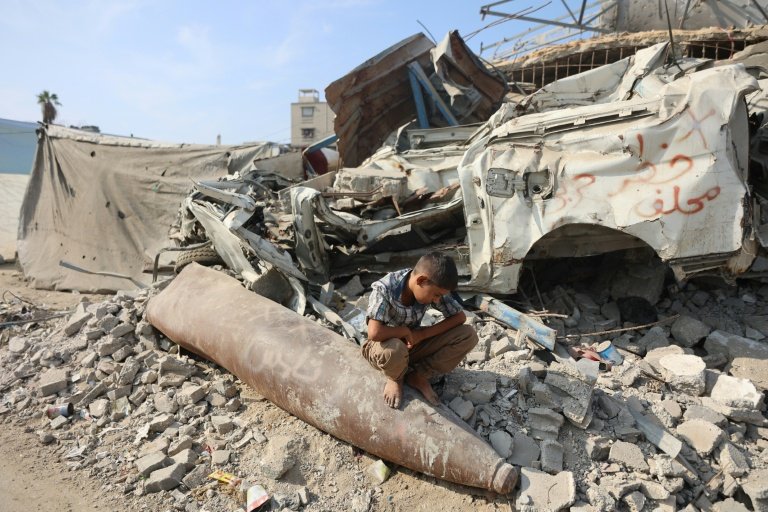
The UN Security Council is set to take a big vote on Monday over how to move forward in Gaza and the council is divided over what that next step should look like.
The United States has been pushing a resolution that would back President Trump’s Gaza peace plan. The US draft would “welcome” a temporary governing body for Gaza called the Board of Peace a transitional administration the plan envisions and it would greenlight a short-term International Stabilization Force to help secure borders, protect civilians and demilitarize parts of the strip. For the first time in the discussions, the text also mentions the possibility of a future Palestinian state, tied to certain reforms and progress.
A group of countries including the US, Qatar, Egypt, the UAE, Saudi Arabia, Indonesia, Pakistan, Jordan and Türkiye issued a joint statement urging the council to approve the resolution quickly. They said they want the measure adopted without delay to lock in the fragile ceasefire and keep rebuilding momentum.
But not everyone is on the same page. Russia circulated its own draft that takes a different approach. Moscow’s version praises the ceasefire efforts but does not endorse creating the Board of Peace or immediately sending troops into Gaza. Instead, it asks the UN secretary-general to study options for an international stabilization force and report back. The Russian draft also stresses the goal of a two-state solution language Moscow highlights as a key difference from the US text.
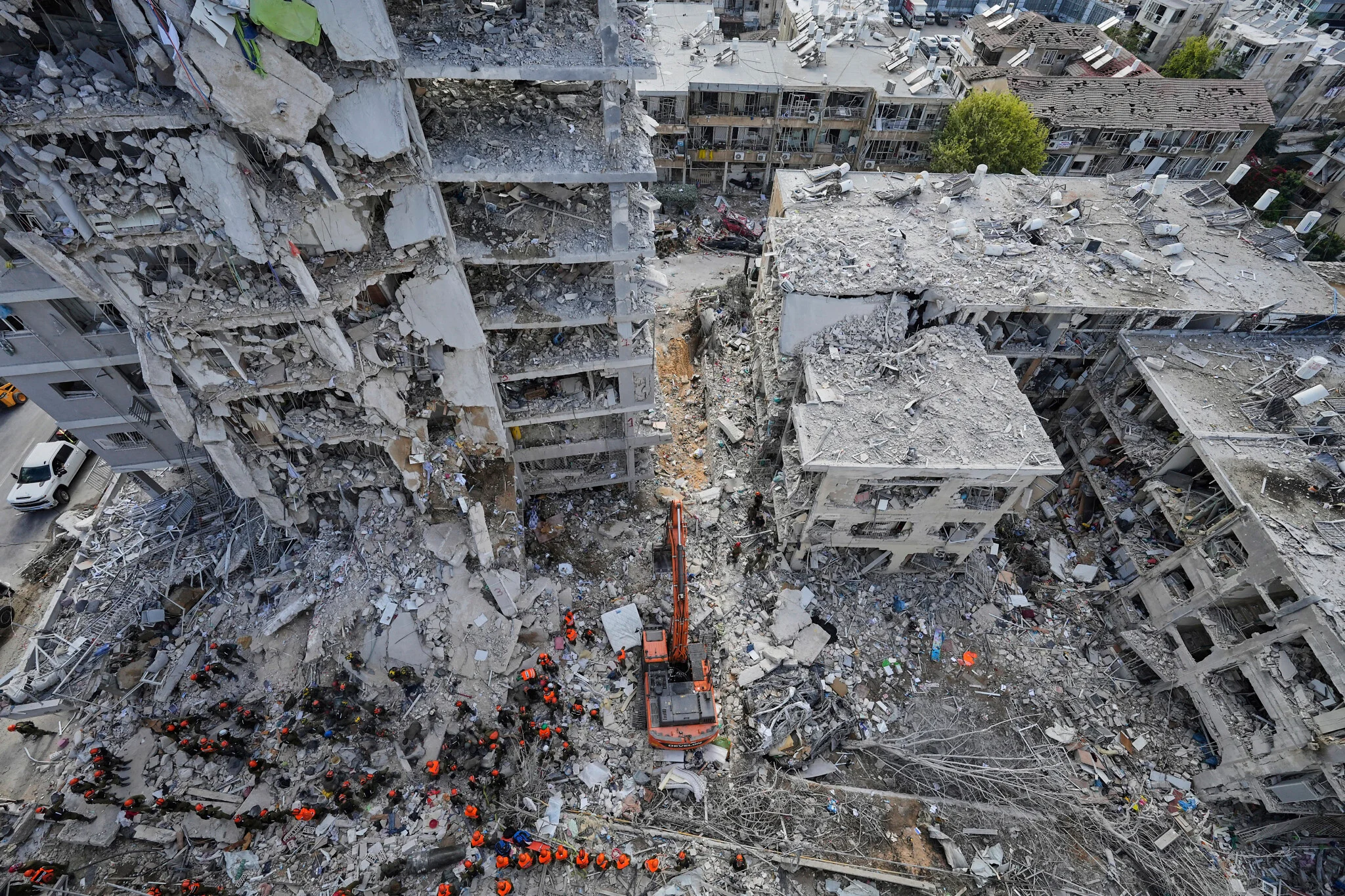
The debate isn’t just about words on a page. Diplomats are raising practical questions: who would monitor the plan’s rules, what exact role would the Palestinian Authority play, and what would be the mandate and size of any international force? Those details matter a lot when you’re talking about moving people, security responsibilities and rebuilding a war-torn area.
Washington has warned that delaying or rejecting the US draft could jeopardize the ceasefire and put civilians at risk. Critics of the US text say it moves quickly toward a new governing setup in Gaza without fully explaining how it would be overseen or who would be in charge on the ground.
So on Monday the Security Council will try to pick a path forward whether to back the US blueprint, accept a Russian-shaped alternative, or find some middle ground. Whatever they decide will shape the next chapter for Gaza: who runs its recovery, who helps keep the peace, and how a long-term political solution might eventually be negotiated.