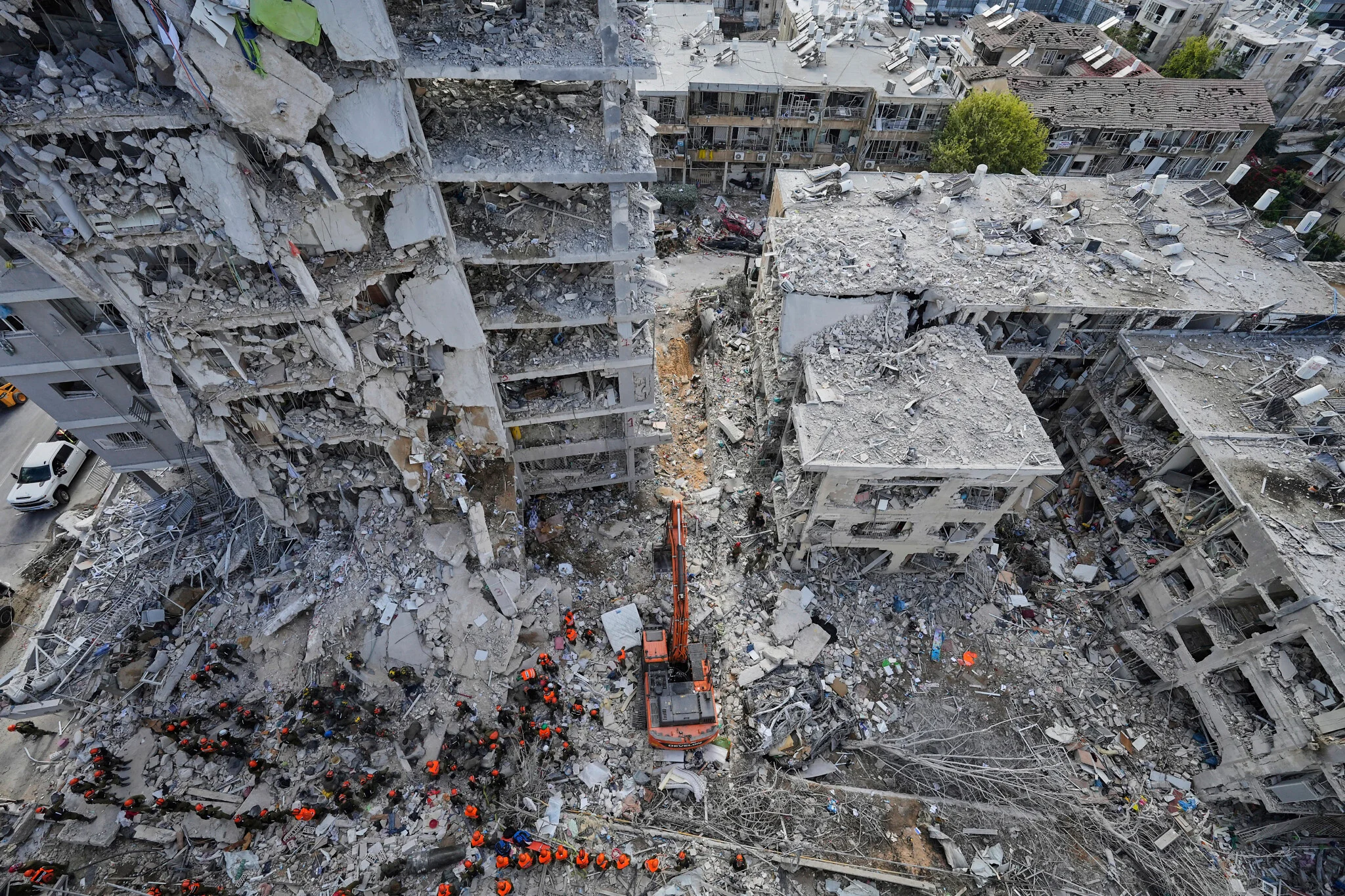
A blast ripped through the eastern Congolese town of Sange on Sunday evening, killing more than 30 people and injuring about 20, residents and local leaders say a horrifying setback days after a U.S.-brokered peace deal was signed in Washington.
People in Sange describe chaos: soldiers from the Congolese army (FARDC) and a pro-government militia called Wazalendo reportedly exchanged fire before the explosion. Witnesses say the clash started when army units returning from the front tried to move through the town and were ordered to stop some refused, shots were fired, and then the bomb went off. Families fled in panic; many have crossed toward neighboring Burundi looking for safety.
“This morning we woke up a little better, but people are still leaving,” one resident said, while another pleaded with the government to stop the fighting. Local civil society leaders called the scene devastating and questioned who can be trusted “it’s hard to tell friend from foe,” one said.
The blast comes amid a wider, brutal conflict in eastern Congo, where more than 100 armed groups fight for control of mineral-rich land near Rwanda’s border. The M23 rebel group the best-known of those forces and widely believed to have backing from Rwanda has seized key towns in recent months. The fighting has created a massive humanitarian crisis: some 7 million people are displaced inside the country, officials say.
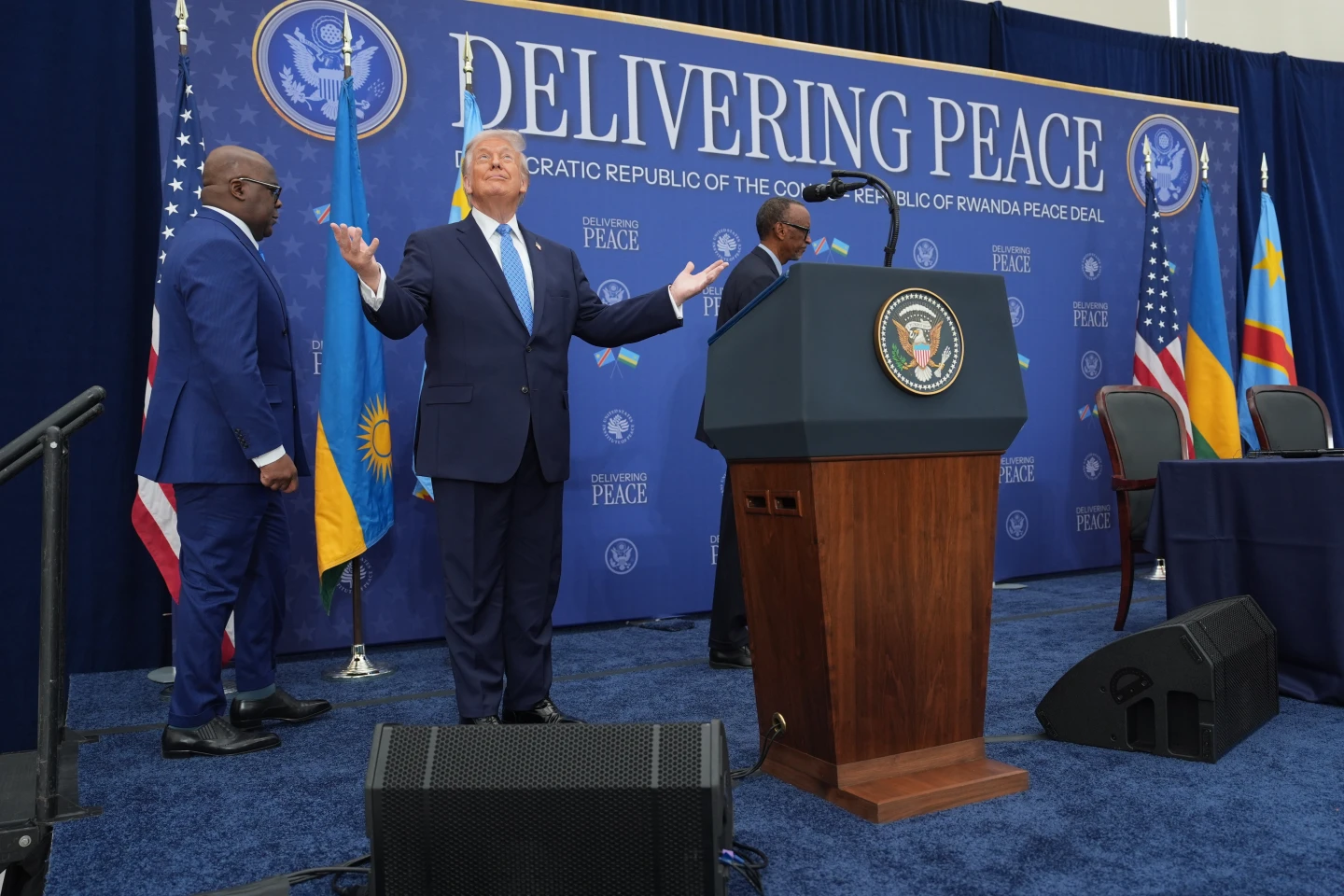
The timing is politically explosive. Last week Congo’s president, Félix Tshisekedi, and Rwanda’s Paul Kagame flew to Washington to sign a ceasefire-style agreement hailed by the U.S. as a major step toward peace. But on Monday Tshisekedi accused Rwanda in parliament of violating the pact, of backing attacks from across the border, and of helping plunder Congo’s resources. Burundi’s foreign minister echoed the alarm, saying attacks — including those using kamikaze drones, he alleged are harming civilians and could force regional action.
There was no immediate response from Rwanda to these accusations. U.N. experts have previously reported Rwandan support for the rebels estimating roughly 4,000 Rwandan troops have been involved at times but the situation on the ground remains tangled and volatile.
For Sange’s residents, the politics are less relevant than the loss: lives ended, homes destroyed, families on the move. Humanitarian needs are growing by the hour, and locals say promises on paper are meaningless until fighters stop killing civilians and aid can reach those trapped by violence.