In Tunisia, the memory of an Israeli airstrike carried out four decades ago continues to shape national identity and public sentiment toward the Palestinian cause. The attack, known as Operation Wooden Leg, took place in October 1985 and is still remembered as a defining moment in Tunisian history.
That morning, Israeli fighter jets flew more than 2,000 kilometers to bomb the Palestine Liberation Organization (PLO) headquarters in Hammam Chott, a suburb of Tunis. The strike killed 68 people, including 50 Palestinians and 18 Tunisians, and injured more than 100 others. The devastation shocked the country and reinforced Tunisia’s bond with the Palestinian struggle.
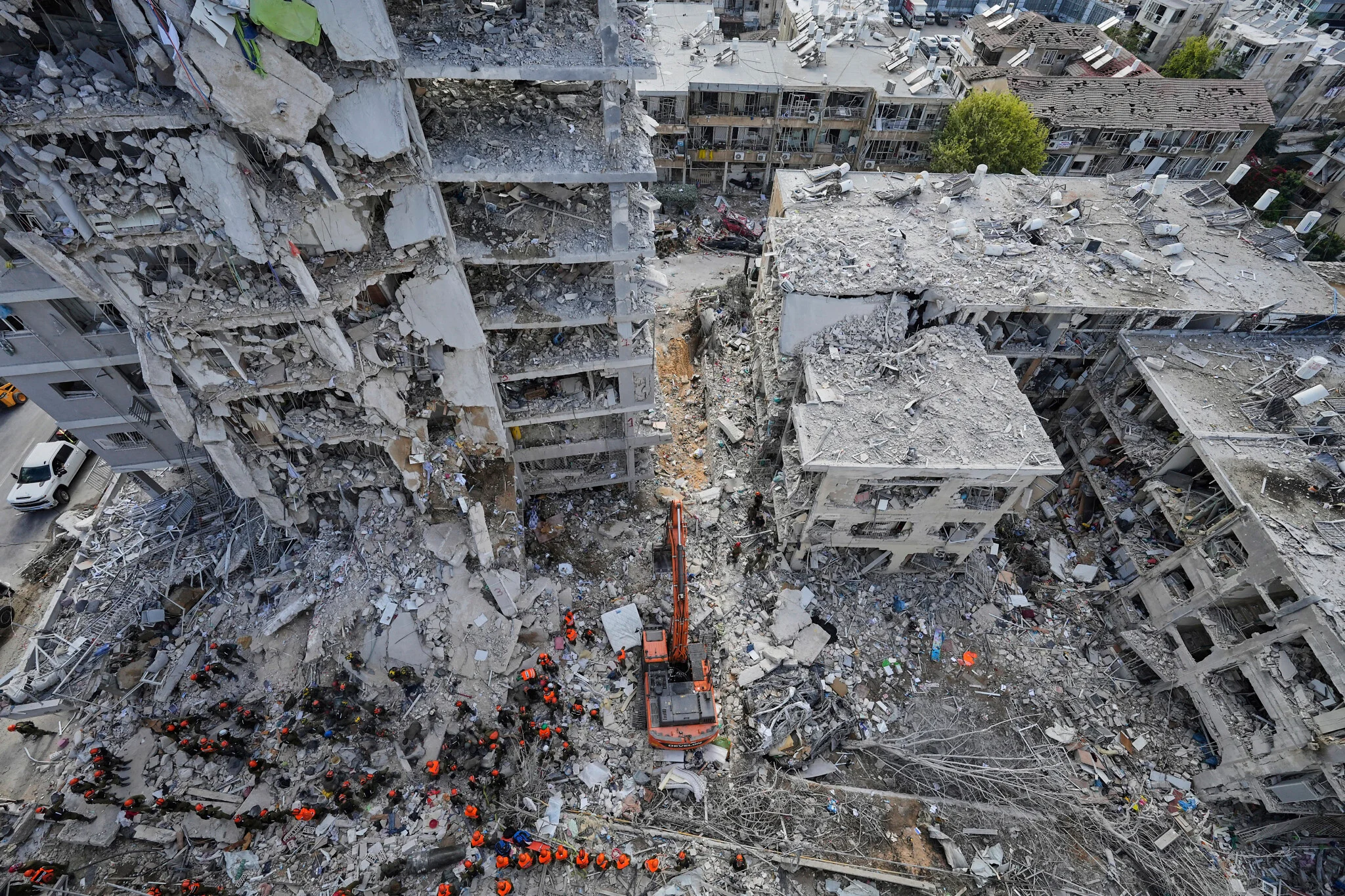
Witnesses recall scenes of destruction and horror. Survivors describe pulling people from the rubble, the smell of blood and dust hanging in the air, and the sight of bodies scattered across the site. Many still carry the trauma of those moments decades later.
The raid nearly killed PLO leader Yasser Arafat, who had relocated the organization’s base to Tunis after being expelled from Beirut. Arafat had been scheduled to be in the targeted area but was diverted to another meeting at the last minute, a twist of fate that spared his life.
Israel justified the strike as an act of self-defense, claiming the PLO was involved in the killing of three Israelis on a yacht in Cyprus. The PLO denied responsibility. Tunisia, meanwhile, condemned the attack as a violation of its sovereignty and appealed to the United Nations. The Security Council later adopted a resolution condemning the strike and affirming Tunisia’s right to compensation.
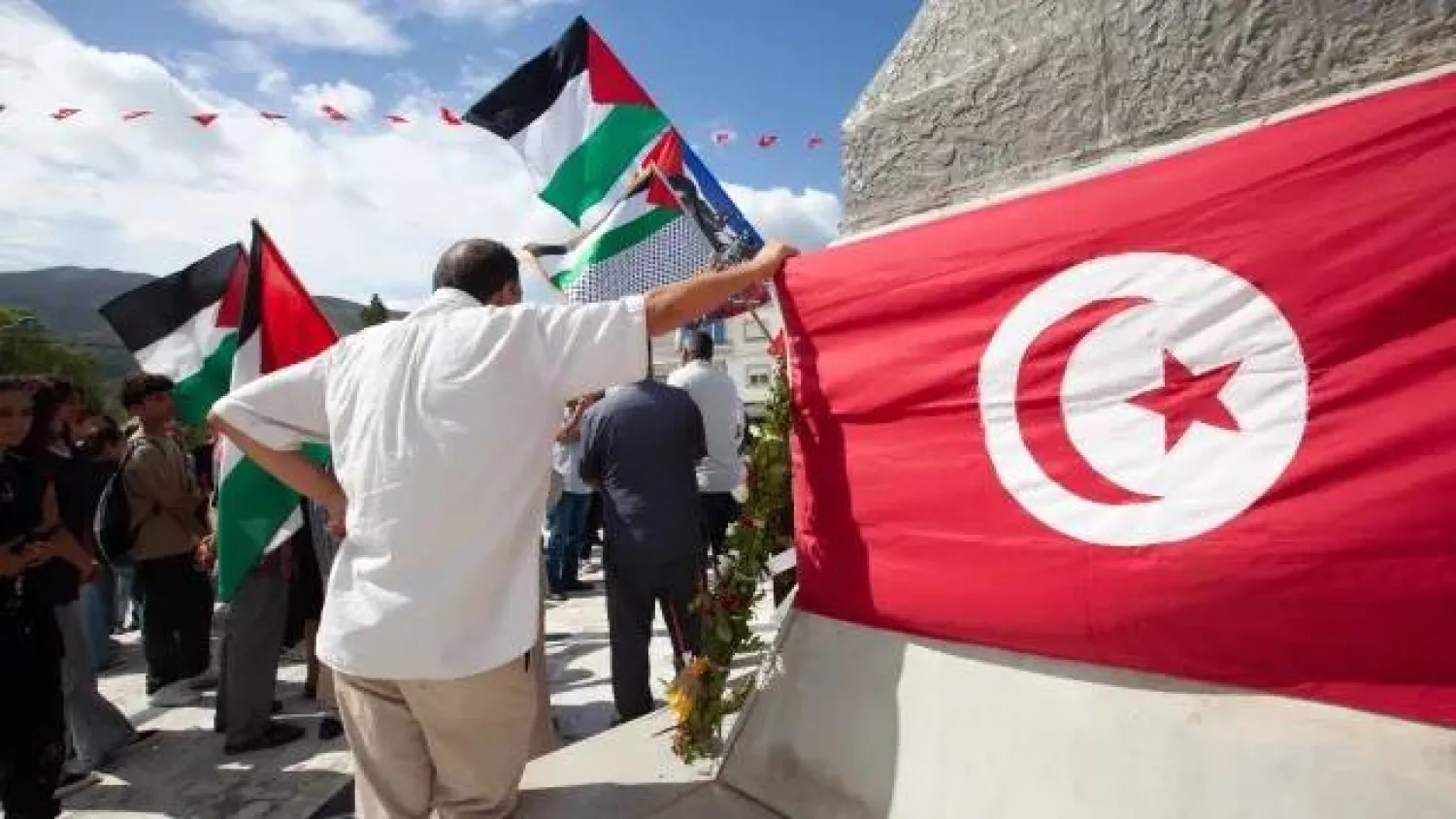
For Tunisians, the bombing was more than a military incident; it was a turning point. It cemented a sense of shared destiny with the Palestinian people and reinforced popular support for their cause. To this day, commemorations of the strike are held, with crowds displaying slogans such as “From the sea of Tunisia to the sea of Gaza,” underscoring a sense of common struggle.
The strike also had diplomatic consequences. Hosting the PLO made Tunisia a central stage for Palestinian politics during the 1980s and 1990s. It shaped Tunisian foreign policy and encouraged successive governments to publicly support Palestinian statehood, even while balancing regional and international relationships.
Today, as conflict between Israel and Hamas intensifies, Tunisians see parallels between current events and the 1985 raid. Many believe that the attack bound Tunisia’s fate to the Palestinian cause in ways that continue to influence public opinion, political discourse, and the country’s role in the wider Arab world.