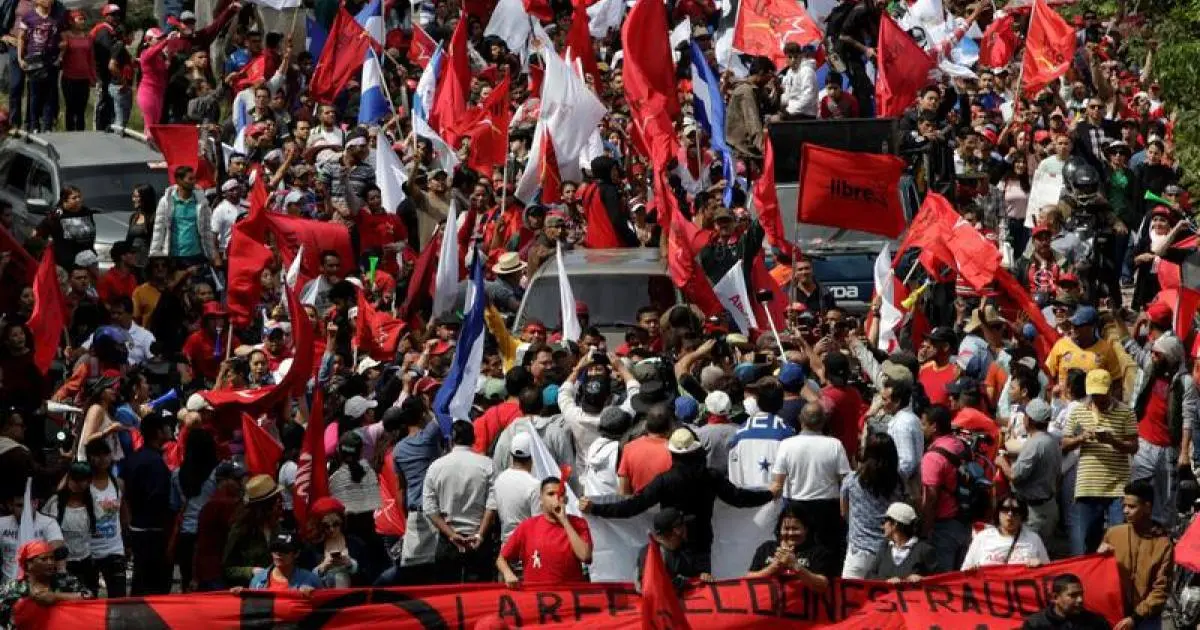
Hondurans headed to the polls on Sunday with a mix of hope and deep anxiety, as the country faced one of its most tense and uncertain elections in years. Voters weren’t just choosing a new president they were stepping into a race clouded by accusations of fraud, political pressure and growing distrust in the system itself.
At the center of it all were three main contenders locked in an almost perfect tie: Rixi Moncada, a former defense minister representing the leftist ruling party; Nasry Asfura, a conservative ex-mayor of the capital; and Salvador Nasralla, a well-known TV personality running under the centrist Liberal Party. With polls this close, even the smallest shift could change the outcome.
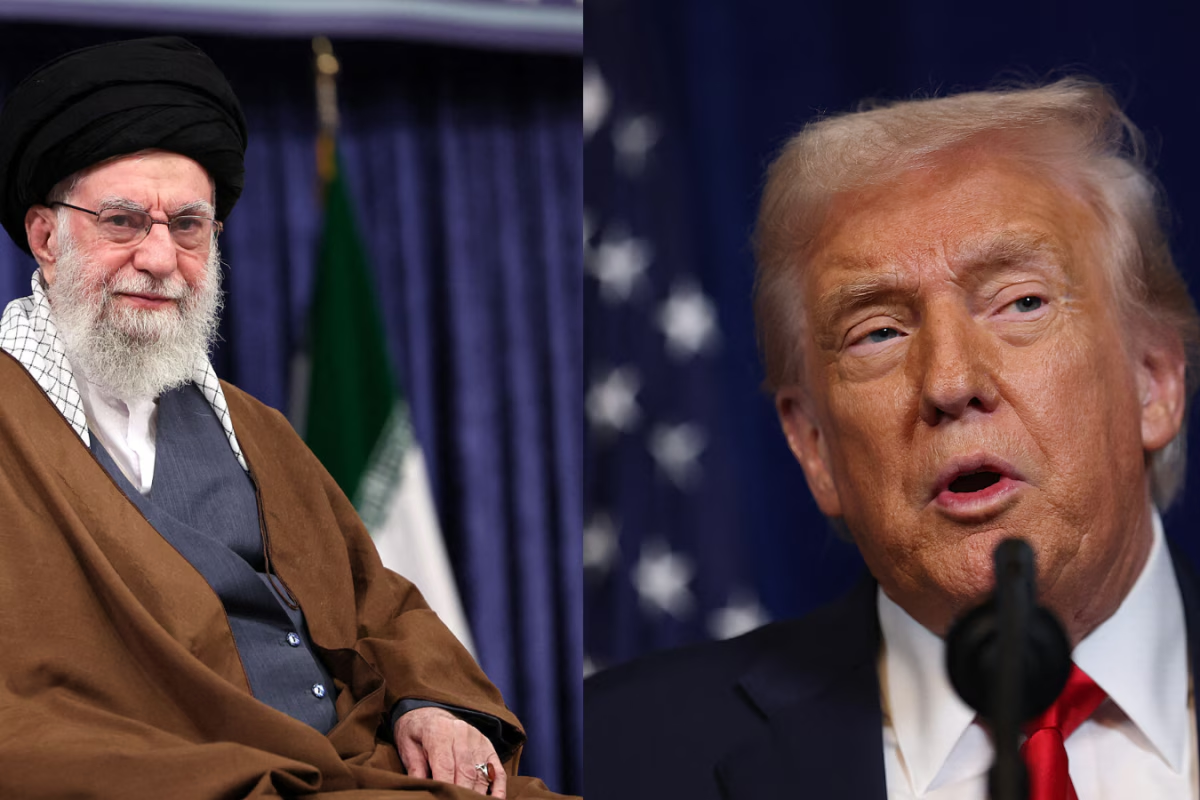
International watchdogs had already raised red flags before voting even began. The Organization of American States called on the Honduran government to guarantee a fair election without intimidation or interference. Even the United States weighed in President Donald Trump threw his support behind Asfura, warning that if his preferred candidate lost, Washington wouldn’t keep supporting Honduras financially.
For many ordinary Hondurans, the fear of fraud is real. The country’s political system has suffered years of turmoil, including a coup in 2009 and a highly contested election in 2017. Despite a major victory for President Xiomara Castro in 2021, trust hasn’t fully returned.
The atmosphere this year has been especially heated. All three top candidates accused one another of planning to cheat. Moncada went as far as suggesting she may not accept the official results. Meanwhile, the attorney general’s office seen as loyal to the ruling party accused opposition groups of plotting voter fraud, something they strongly denied.
A controversial set of leaked audio recordings made things even more chaotic. They supposedly captured a National Party politician coordinating with a military officer to influence the vote. The accused party dismissed the tapes as AI-generated fakes, but the recordings quickly became a centerpiece of Moncada’s campaign.
Adding to the tension, the Honduran military stirred criticism by requesting copies of vote tally sheets something the law doesn’t allow raising more questions about neutrality.
All of this has pushed public confidence to new lows. Reports of delays, missing supplies and confusion at polling stations only made things worse.
Still, 6.5 million Hondurans turned out to vote, choosing not only their next president but also lawmakers, mayors and hundreds of other officials. At stake is the country’s direction: continue with Castro’s left-leaning policies or swing back toward the more conservative National and Liberal parties.
Castro’s time in office has had mixed results. Poverty has eased slightly, the economy has grown, and the murder rate has hit historic lows. But violence continues, and critics say her extended state of emergency and reliance on military policing are too heavy-handed. The debate took another twist when Trump announced he plans to pardon former Honduran president Juan Orlando Hernandez, who is serving a 45-year sentence in the U.S. for drug trafficking.
Meanwhile, the candidates have offered few clear plans for tackling the country’s biggest problems: corruption, poverty and powerful drug networks.
The world is watching closely including China and Taiwan. Two of the candidates, Asfura and Nasralla, have hinted they may restore ties with Taiwan, reversing Castro’s 2023 decision to shift allegiance to Beijing. If that happens, it could mark China’s biggest diplomatic setback in Latin America in decades.
For now, Honduras waits anxious, divided and hoping this election becomes a turning point rather than another political crisis.