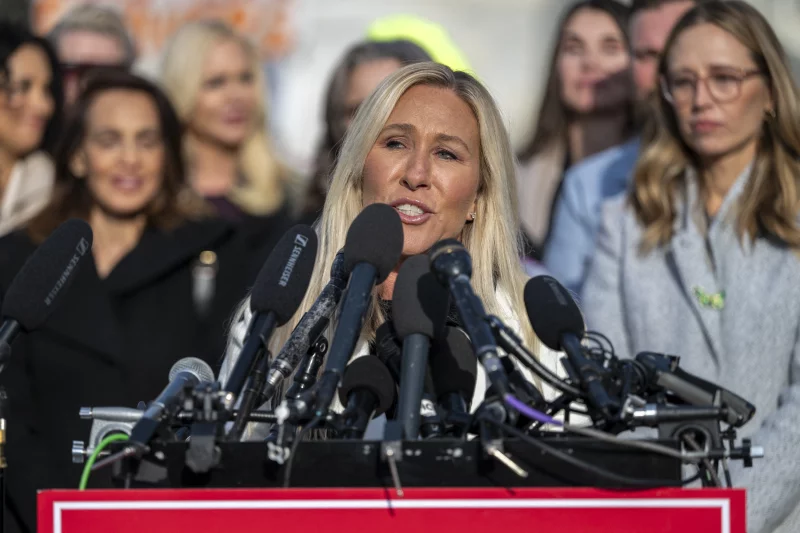
Rep. Marjorie Taylor Greene announced she’s leaving Congress, saying she can’t keep fighting inside a party she says has changed. In a nearly 11-minute video, the Georgia Republican once one of Donald Trump’s most vocal defenders and recently one of his harshest critics blamed House leaders, the GOP’s shifting priorities and the start of campaign season for her decision.
Greene said she’ll resign effective Jan. 5, 2026, and called out what she sees as a party that now puts safe re-election politics above courage. She said the fight over President Trump’s handling of the Jeffrey Epstein files and his mixed signals about releasing them was the final straw. “Standing up for American women who were raped at 14, trafficked and used by rich powerful men should not result in me being called a traitor,” she said.
Greene also said staying in office would force her northwest Georgia district one of the country’s most conservative into a painful, high-profile primary against “the President we all fought for.” She warned Republicans could lose ground in the midterms and said she refused to be “a ‘battered wife,’ hoping it all goes away.”
Her resignation will likely trigger a special election in the spring to finish out her term. Greene joins a growing list of lawmakers leaving Congress: about 40 House members and 10 senators have already said they won’t return after 2026, either retiring or seeking other offices.
Her exit highlights growing strains inside the MAGA coalition. Greene has repeatedly broken with Trump and party leaders on big issues from foreign policy disputes like bombing Iran to questions about support for the war in Gaza and trade policy. In her video she accused both parties’ “political industrial complex” of stoking division while failing everyday Americans.
Greene has been consistent in her worldview: she says the party has drifted away from the America First, MAGA promises that once united it. Her resignation marks another sign that unity behind Trump isn’t as solid as it once seemed, and it raises fresh questions about what the Republican Party will look like after his era.