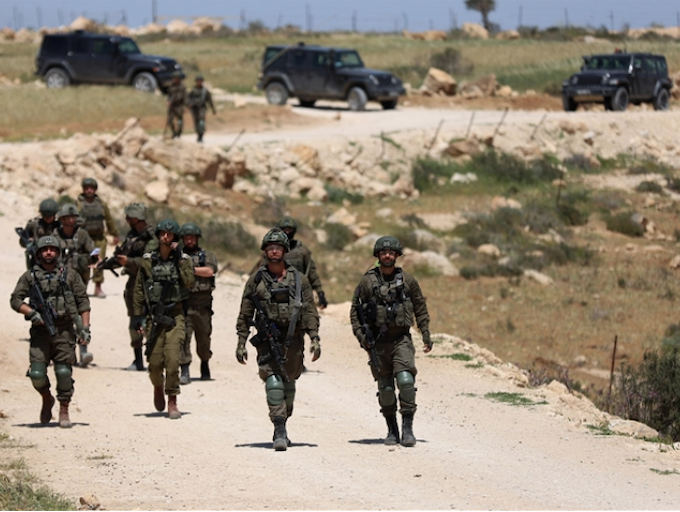
A new documentary is turning a harsh spotlight on what some Israeli soldiers say they saw and took part in during the fighting in Gaza and the testimonies are chilling.
In Breaking Ranks: Inside Israel’s War, set to air in the UK on ITV, several Israeli servicemen speak frankly about how rules on the battlefield broke down. One tank commander, who goes by Daniel, says soldiers were effectively given a green light to shoot without the usual checks. “If you want to shoot without restraint, you can,” he says. That kind of attitude, he adds later, left him feeling ashamed of the army he once felt proud to serve.
Other soldiers describe a similar collapse of normal safeguards. Captain Yotam Vilk, an armored corps officer, says troops abandoned the longstanding rule that they should fire only when a target has the “means, intent and ability” to hurt others. “There’s no such thing as ‘means, intent and ability’ in Gaza,” he says. “It’s just suspicion someone walking where it’s not allowed.” Another soldier, identified as Eli, bluntly put it: “Life and death isn’t determined by procedures or opening fire regulations. It’s the conscience of the commander on the ground that decides.”
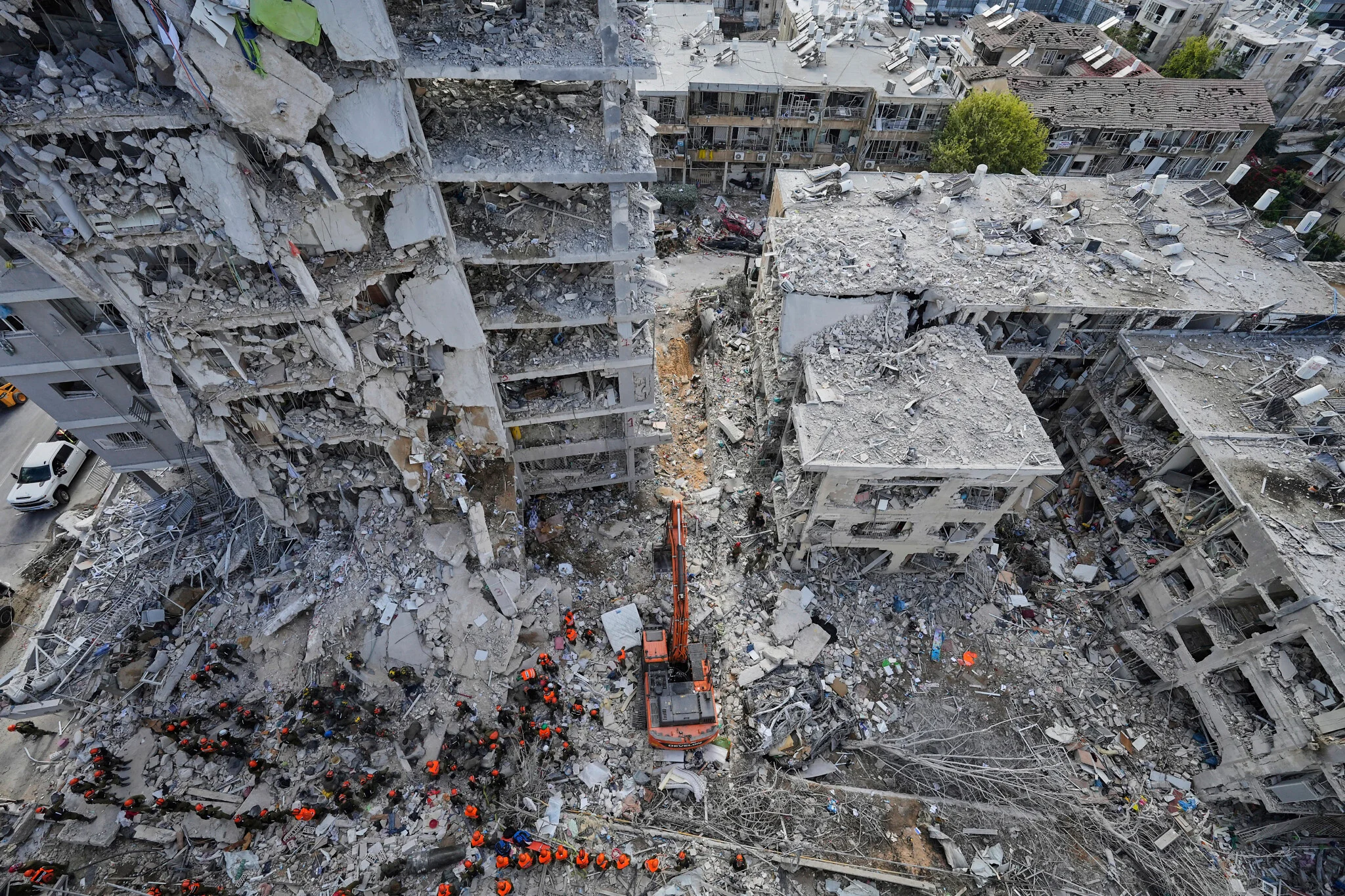
Those comments are backed up by disturbing scenes recounted in the film. Eli tells of an order to level a building where a man was only “hanging laundry,” a strike that killed and injured people inside. A contractor known as Sam says he watched soldiers shoot unarmed men who ran toward food at aid distribution points run by the Gaza Humanitarian Foundation. “You could just see two soldiers run after them… they drop onto their knees and they just take two shots,” he recalls. Sam also describes a tank blowing up an ordinary car with four passengers inside. United Nations figures say at least 944 Palestinians have been killed by Israeli fire near such aid points.
The programme also shows how extreme language and dehumanising views spread among some parts of Israeli society during the conflict. Daniel points to comments from rabbis and politicians who described all Palestinians as legitimate targets after October 7. “You hear that all the time, so you start to believe it,” he says. Rabbi Avraham Zarbiv who spent more than 500 days in Gaza defends the army’s large-scale home demolitions, saying, “Everything there is one big terrorist infrastructure… We changed the conduct of an entire army.”
The human toll the film points to is enormous. Since October 2023, Israeli operations in Gaza have killed more than 69,000 Palestinians many of them women and children and wounded over 170,000, according to the figures cited in the film. In September, a UN commission said Israel had committed genocide in Gaza. A ceasefire came into force on October 10 after two years of bombardment, but even after that pause the film says Israeli attacks have killed at least 242 Palestinians and injured 622; one Israeli soldier has also died in that period.
Watching these testimonies, the common thread is a sense of moral confusion and regret among soldiers who feel the rules and norms that usually guide warfare were eroded. For viewers, the documentary offers hard, personal glimpses behind the headlines: soldiers admitting to actions they once thought impossible, aid workers describing people shot while reaching for food, and military leaders and clerics arguing that harsh tactics were necessary. Whether you come to it looking for answers or simply trying to understand the cost of this long conflict, the footage in Breaking Ranks forces a difficult conversation about how wars are fought and what happens when the lines between combatants and civilians blur.