Residents in northern Philippines woke up on Monday to scenes of destruction after Typhoon Fung-wong, known locally as “Uwan,” tore through the region overnight with powerful winds and heavy rain. The storm, one of the strongest to hit the country this year, left at least two people dead, injured two others, and forced over a million people to flee their homes before making landfall.
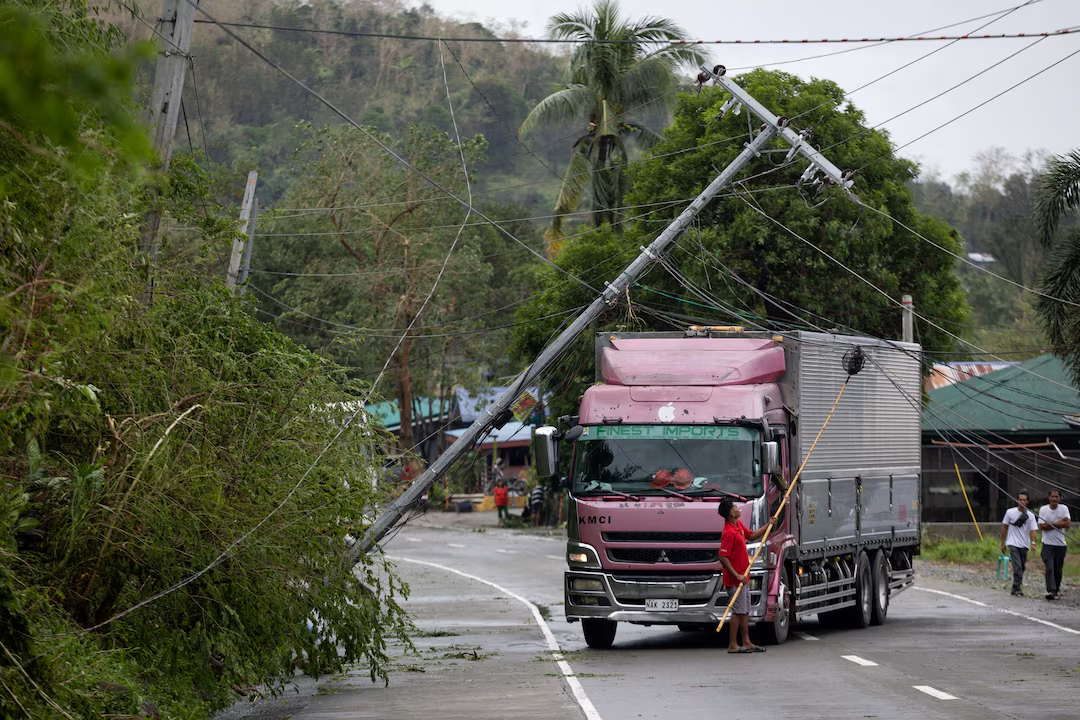
The super typhoon slammed into the coastal town of Dinalungan in Aurora province late Sunday, bringing chaos to Luzon the Philippines’ largest island. By morning, power lines were down, homes were damaged, and trees lay strewn across the roads. In some areas, entire towns were cut off due to landslides and damaged roads.
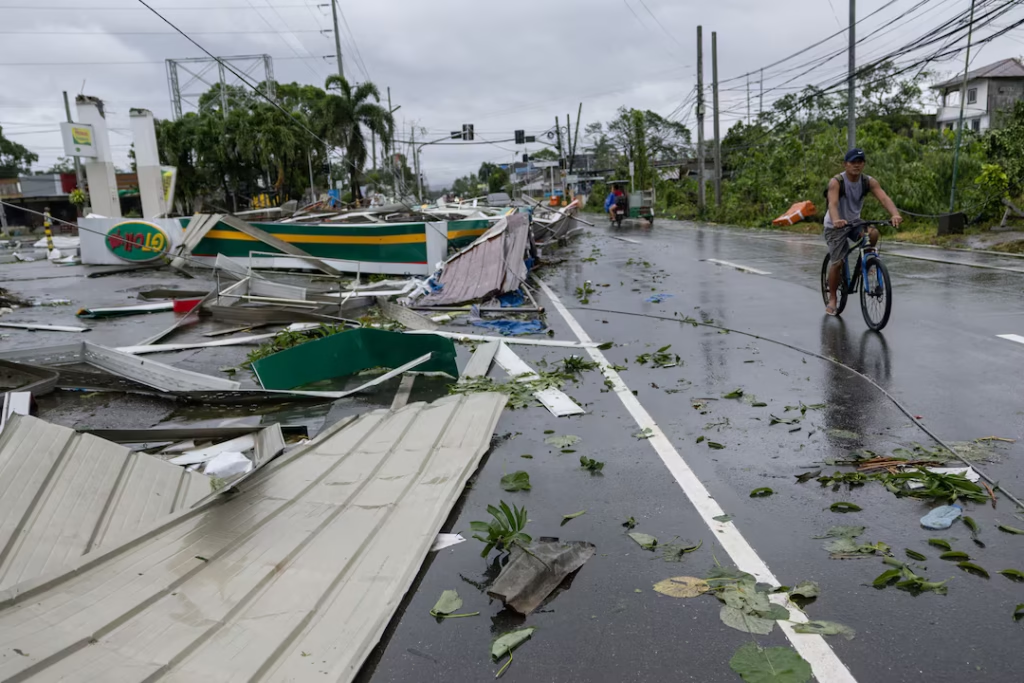
In Isabela province, residents like Romeo Mariano described a sleepless night as howling winds battered their roofs. “We could not sleep last night because of the winds hitting our metal sheets and the tree branches falling,” he said, recalling how he and his grandmother huddled inside their home as debris flew outside. “When we went out after the storm, we saw the damage branches everywhere, and parts of the roof gone.”
Authorities said Aurora province was among the hardest hit, with Vice-Governor Patrick Alexis Angara confirming that three towns were isolated. “Assessment and clearing operations are underway,” he told local media.
The storm has since moved toward the South China Sea and is expected to shift northeast toward Taiwan, according to the state weather bureau. However, officials warned that parts of the Philippines could still experience heavy rains, strong winds, and coastal flooding as Fung-wong continues to move away.
More than 400 flights were cancelled since Sunday, disrupting travel plans across the country.
Fung-wong is the 21st storm to hit the Philippines this year arriving just days after Typhoon Kalmaegi devastated central provinces, leaving more than 220 people dead. For millions of Filipinos, it’s yet another painful reminder of the country’s vulnerability to extreme weather, as recovery from one disaster begins just as another strikes.