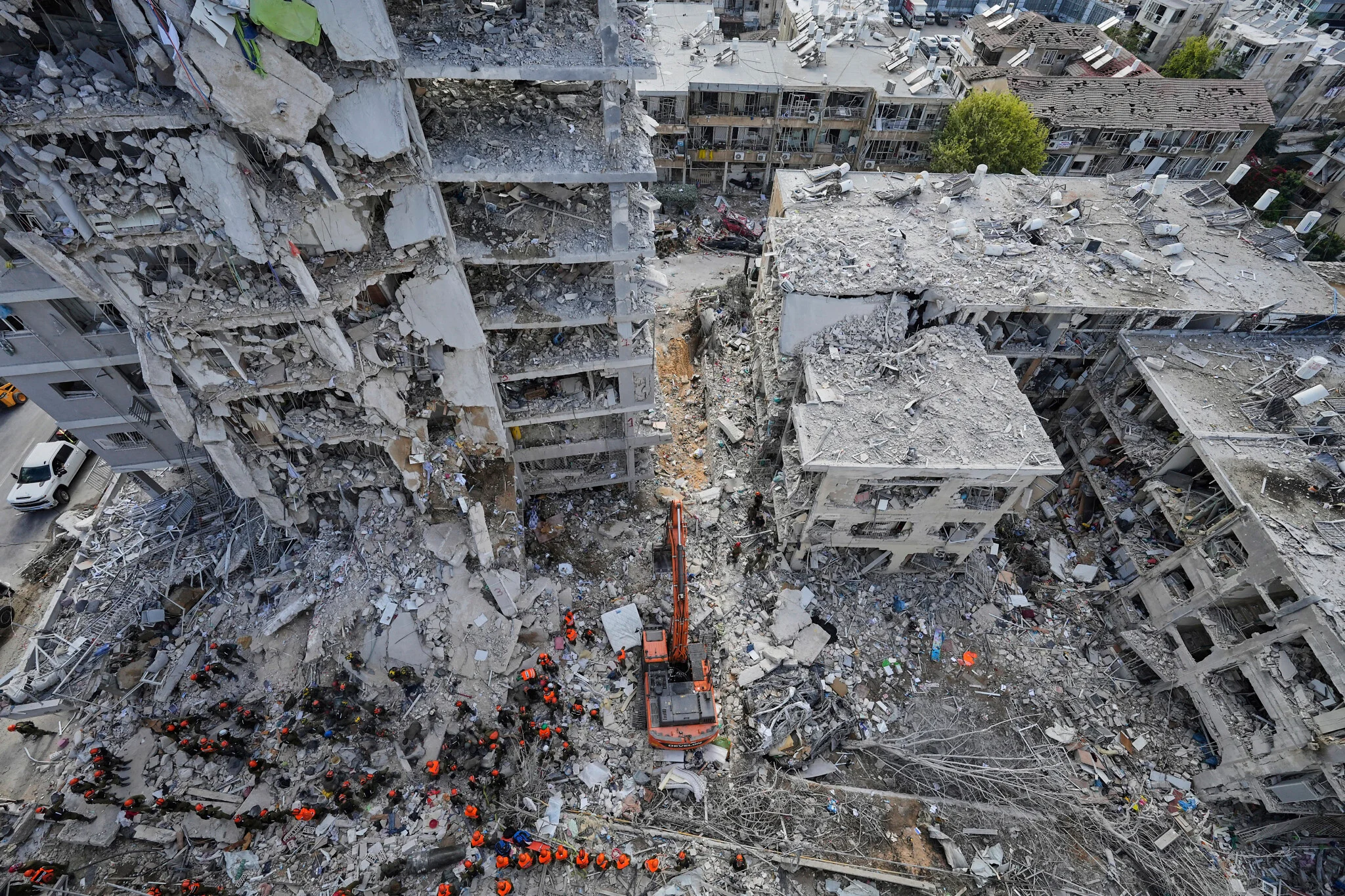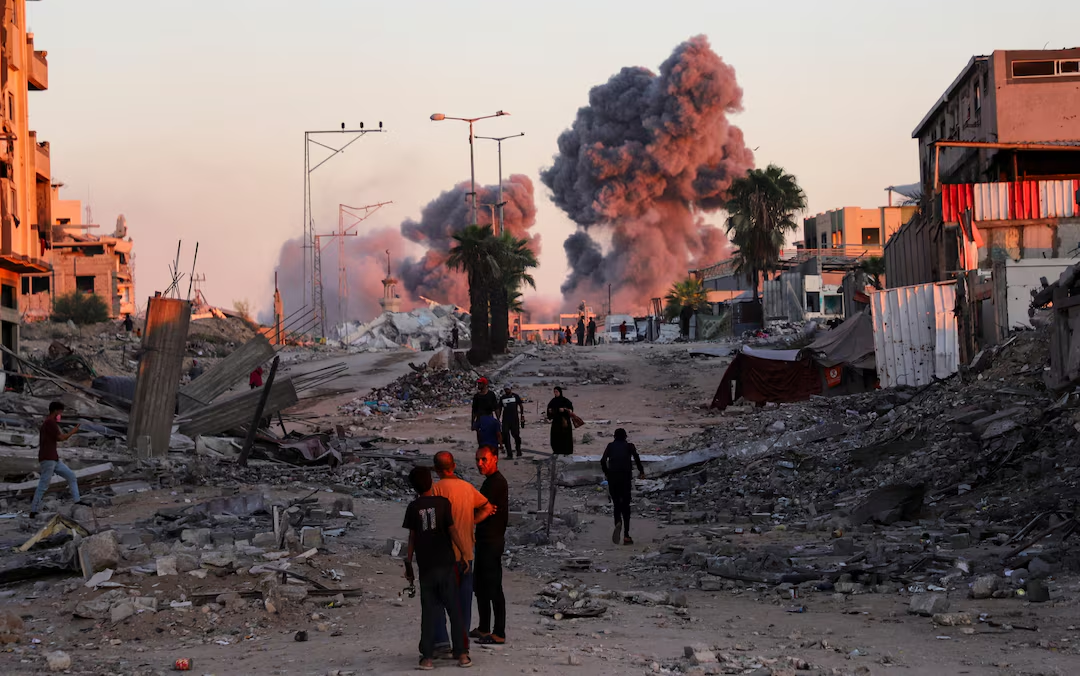
Israel and Hamas have agreed to a ceasefire and hostage-exchange plan, marking a significant step toward ending months of intense conflict in Gaza. The agreement, reached on October 9, 2025, follows weeks of indirect negotiations mediated by international partners, including the United States, Egypt, and Qatar.
The ceasefire represents the first phase of a broader framework aimed at halting hostilities, securing the release of remaining hostages held in Gaza, and allowing humanitarian aid to flow into the war-torn enclave. According to officials familiar with the talks, Israel will begin withdrawing its troops from parts of Gaza, while Hamas has pledged to release all surviving hostages within the agreed timeframe.
Both sides have expressed cautious optimism but acknowledged that implementation will be complex. Israeli leaders emphasized that the agreement’s success will depend on Hamas fulfilling its commitments and ensuring that no further attacks are launched. Hamas, meanwhile, called on the mediating countries to act as guarantors to ensure Israel adheres to the deal’s conditions, particularly regarding troop withdrawals and prisoner exchanges.
International reactions have been largely positive. The United Nations, European Union, and several world leaders welcomed the ceasefire as a long-overdue humanitarian breakthrough. They urged both parties to ensure the safety of civilians, facilitate the entry of aid, and build on the agreement to achieve a lasting political settlement. Humanitarian agencies stressed that the pause must allow for large-scale delivery of food, medical supplies, and fuel to Gaza’s civilians, who have endured severe shortages.
Despite the agreement, reports from Gaza indicated that limited airstrikes and sporadic clashes continued even as details were being finalized. Gaza’s health authorities reported a reduction in casualties compared to previous days, but warned that the humanitarian crisis remains dire, with thousands still displaced and hospitals struggling to function.
Analysts have cautioned that the ceasefire, while significant, does not resolve key political and security issues. Questions remain over Gaza’s post-war governance, Israel’s long-term security strategy, and the disarmament of militant groups. Past ceasefire efforts have often collapsed due to mistrust and competing demands over prisoner releases and border controls.
Still, the current agreement marks the most substantial progress since the war’s escalation in 2023. Families of hostages have expressed relief and hope that this deal will finally bring their loved ones home. International mediators described the accord as “a crucial first step” toward ending one of the region’s most devastating conflicts in recent years.
If both sides adhere to the terms, the ceasefire could open the door to broader diplomatic negotiations and reconstruction efforts. However, observers warn that even small violations could reignite violence and undo months of fragile progress. For now, the focus remains on verifying compliance, delivering aid, and ensuring that the promises made in this agreement translate into real and lasting peace for civilians on both sides.
Sources consulted: Reuters, Associated Press, official government statements, and United Nations briefings.