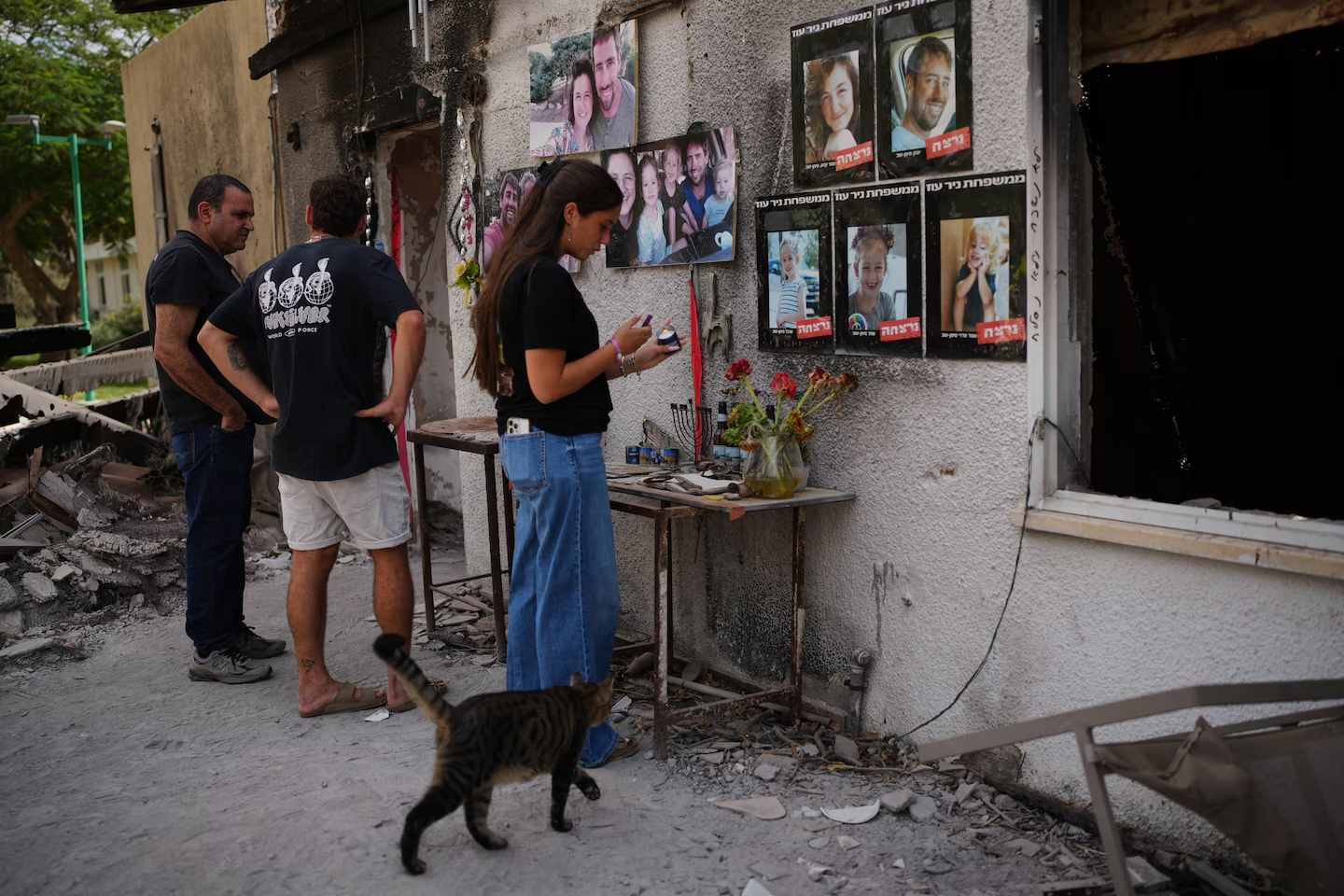
As Israel commemorates the second anniversary of Hamas’s October 7, 2023 assault, the country is more polarized than ever. The war in Gaza continues unabated, and dozens of hostages remain in captivity, intensifying public pressure on political leadership and stirring deep emotional wounds.
Remembrance and Fracture
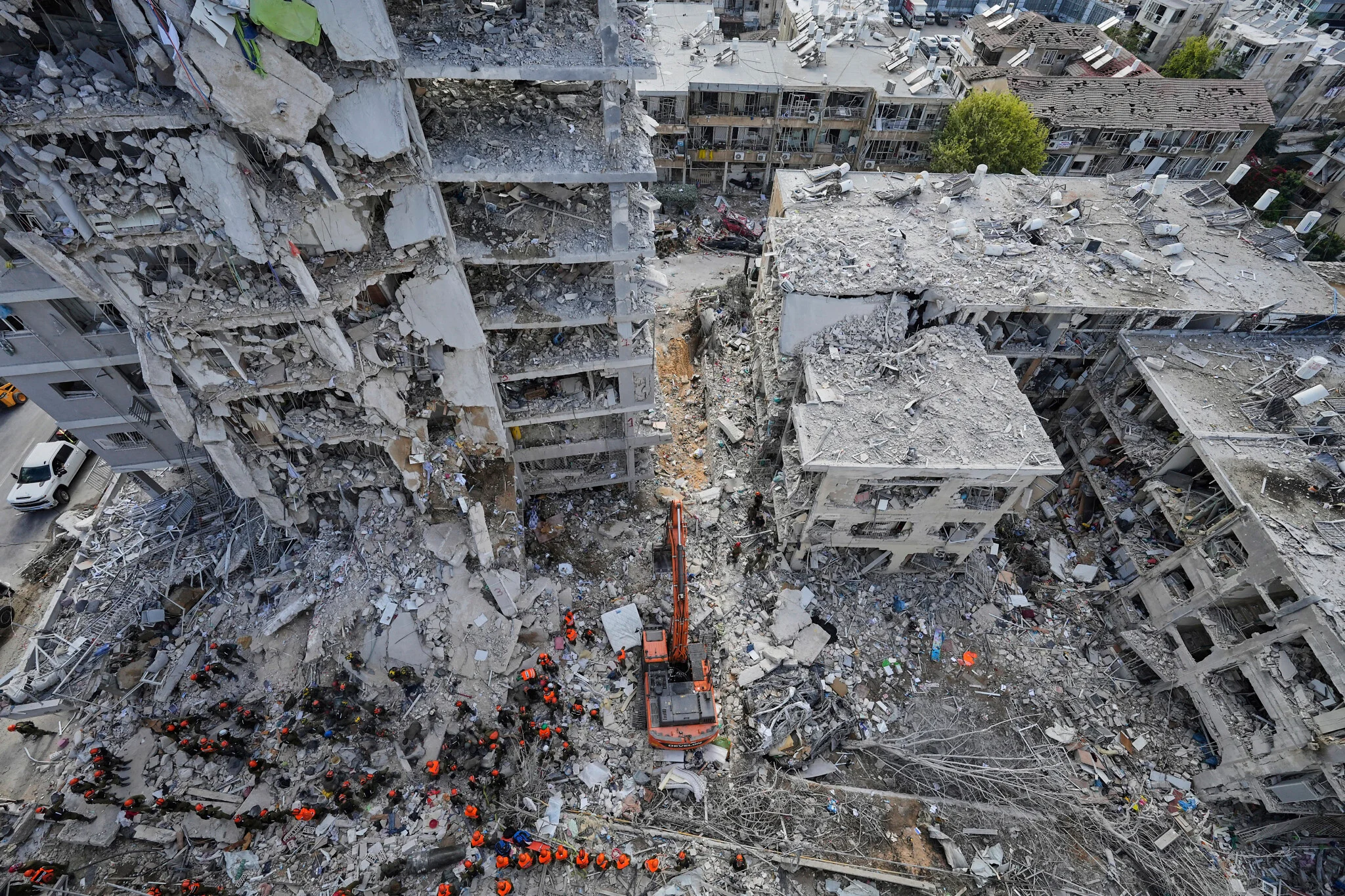
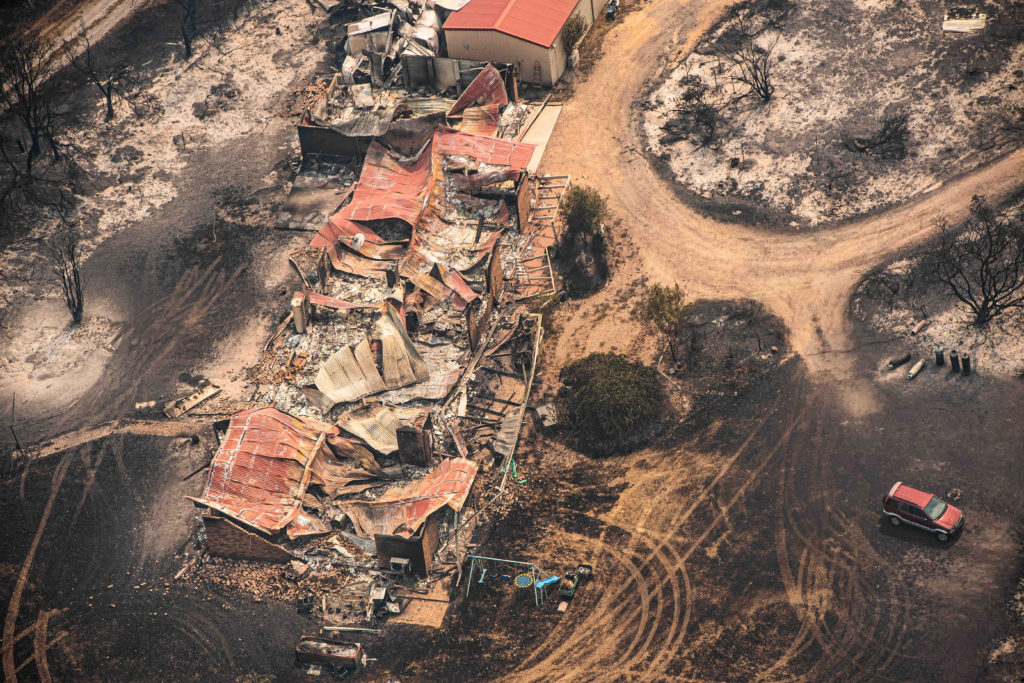
In marking the anniversary, many Israelis visited sites of destruction and loss, including the burnt home of the Siman Tov family in Kibbutz Nir Oz, where all five members were killed during the Hamas assault. The act of memorialising has increasingly been driven by bereaved families rather than the state, reflecting widespread disillusionment with the government’s handling of the conflict and the hostage situation.
Prime Minister Benjamin Netanyahu faces mounting criticism. Many citizens blame his administration for failing to secure a ceasefire capable of returning the remaining captives. While 251 individuals were taken hostage during the October 7 attack, a significant number have since been released in various deals. However, around 48 remain in Gaza, and Israel believes only about 20 of those are still alive. Hamas has conditioned further releases on a lasting ceasefire and Israeli withdrawal.
The Hostage Crisis: Suffering, Survival, and Uncertainty
Former hostages have begun to share their experiences, shedding light on the conditions in captivity and the emotional toll of waiting. One such account comes from Eli Sharabi, who spent 16 months in subterranean tunnels under Gaza. He describes starvation, physical abuse, and extreme deprivation. Sharabi, freed in February 2025, says he continues to grieve the loss of family members killed in the initial attack, and that his sense of closure depends on full accountability and the return of all captives.
Tal Shoham, another former hostage, recounted time in underground cells, psychological torment, and fear for fellow captives. He now holds a bleak view: “No peace in our generation,” he said, citing deeply entrenched hatred on both sides. (Reuters)
From within Gaza, Palestinians are watching the indirect talks with anxiety, hope, and skepticism. Some express cautious optimism that a deal could halt the bloodshed, free hostages, and allow for much-needed humanitarian relief. Others fear that any agreement will be fragile, with unresolved questions about governance, security, and the postwar status of Gaza.
Indirect Ceasefire Talks Under Way
Israeli and Hamas officials have convened in Egypt for indirect negotiations over a U.S.-backed plan aimed at ending the war. The proposal’s first phase centers on a ceasefire, hostage-prisoner swaps, partial Israeli withdrawal, and a surge of humanitarian aid into Gaza. Broader issues-such as Gaza’s future governance and the disarmament of Hamas-are slated for later stages.
While Israel continues conducting airstrikes across Gaza even as talks proceed, the pressure to reach a deal is mounting. Humanitarian conditions in Gaza are dire: more than 67,000 Palestinians are reported killed since the conflict’s start, millions displaced, large swaths of infrastructure destroyed, and food insecurity reaching crisis levels.
The Broader Impact and Unanswered Questions
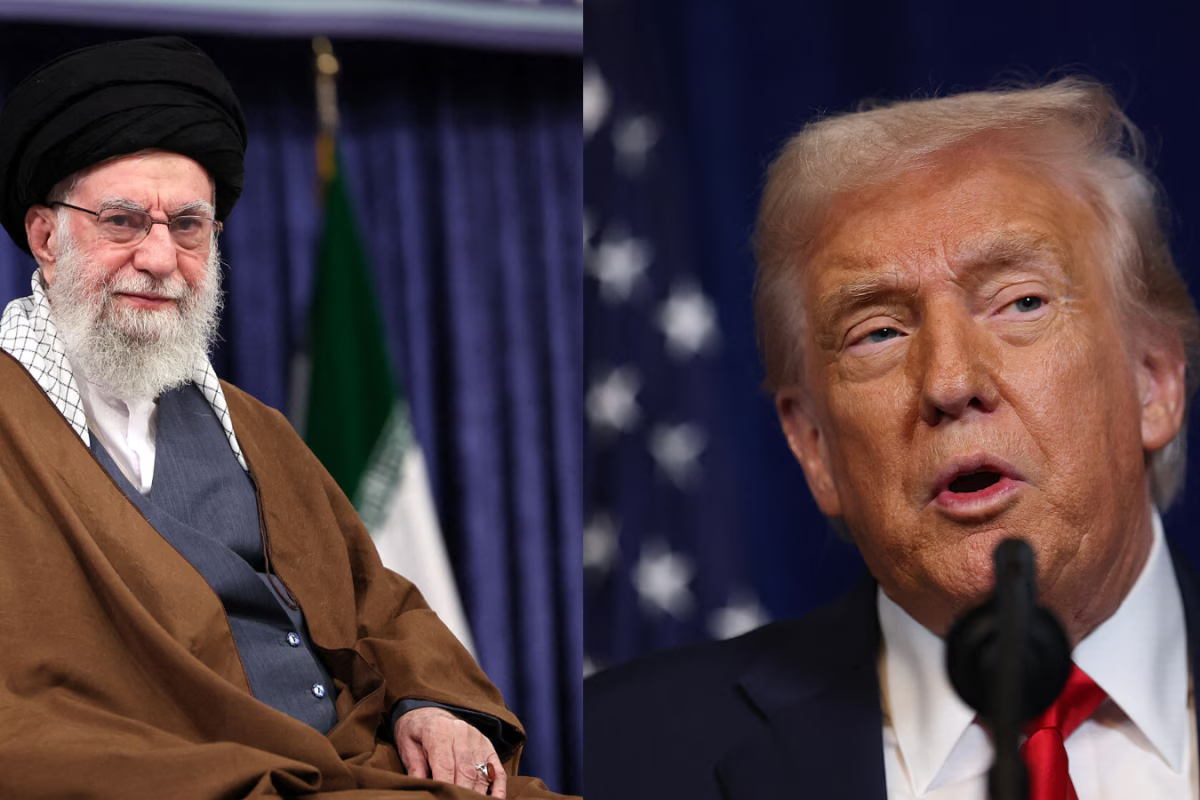
The war sparked by October 7 has escalated Israel’s engagement with Iran, Hezbollah, and other regional actors. Israel claims to have degraded its adversaries’ military capabilities, but critics point to growing isolation and questions over proportionality and civilian harm.
Inside Israel, weekly protests have erupted, demanding the return of hostages and a recalibration of policy. The public is deeply divided: some demand a hardline military posture until all captives are freed and Hamas dismantled, while others call for pragmatic compromise to end the war’s human toll.
The path ahead is fraught. Will indirect diplomacy produce a sustainable agreement? Can the political will exist to follow through with its difficult terms? And crucially, will all hostages be returned before further escalations erase the possibility of peace?